


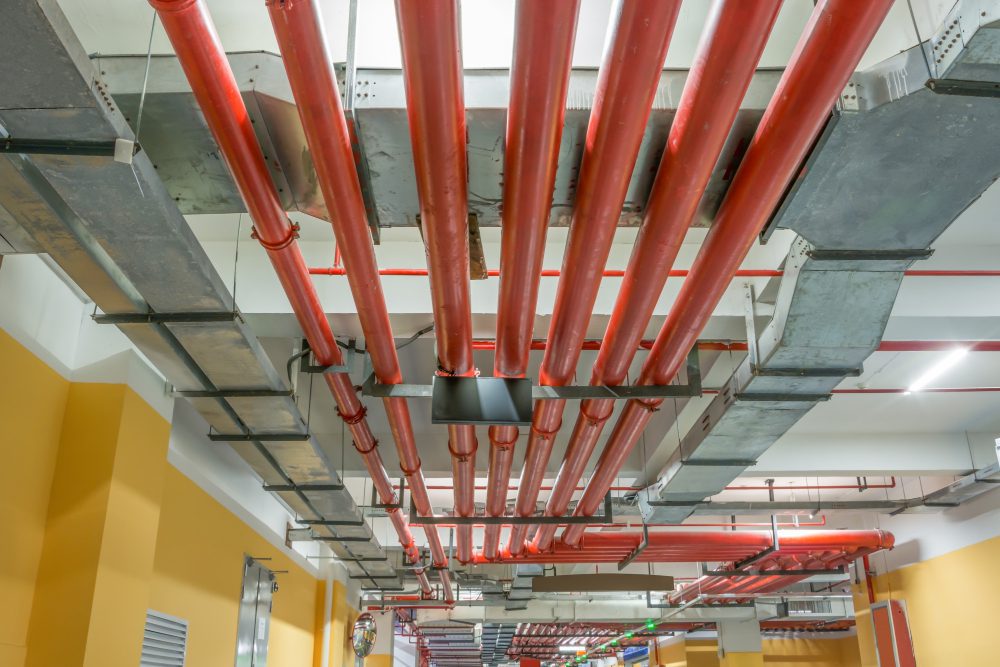
Most plumbing systems are designed for comfort and convenience. We want hot water for showers, perfectly balanced pressure for sinks, and seamless drainage. But there is one type of plumbing system that is entirely different. It sits quietly above your ceilings and behind your walls, and you pray you never actually have to use it.
Fire-fighting pipe installation is the ultimate line of defense for any commercial facility, factory, or large-scale residential building. When a fire breaks out, the structural integrity of the building and the lives of everyone inside depend entirely on this single system working perfectly on the very first try.
Here is why fire suppression plumbing requires a level of engineering, precision, and expertise that goes far beyond standard pipework.
1. Built for Extreme Pressure and Heat
Standard domestic pipes are designed to handle normal municipal water pressure. Fire-fighting systems, however, are hooked up to massive, high-powered fire pumps designed to flood a building in seconds.
- The Materials: You cannot use standard PVC for a fire system. These installations require heavy-duty, seamless black steel, galvanized steel, or specialized, fire-rated CPVC. These materials are engineered to withstand not only immense internal water pressure but also the extreme external temperatures of an active fire without melting or bursting.
- The Joints: Every single weld, thread, and grooved coupling must be flawless. A blowout at a joint during a fire emergency doesn’t just cause water damage—it robs the sprinkler heads of the pressure they need to suppress the flames.
2. Wet Pipe vs. Dry Pipe Systems
A professional installation begins with choosing the exact right system for the environment.
- Wet Pipe Systems: This is the most common commercial installation. The overhead pipes are constantly filled with pressurized water. The moment a sprinkler head detects a specific threshold of heat (usually around 68°C), the glass bulb shatters, and water is discharged instantly.
- Dry Pipe Systems: In environments where temperatures drop below freezing, or in highly sensitive areas like server rooms where accidental leaks would be catastrophic, a dry system is used. The pipes are filled with pressurized air or nitrogen instead of water. When a fire is detected, the air is released, opening a valve that allows water to rush into the pipes and out of the sprinklers.
3. The Science of Hydraulic Calculations
You cannot simply run a pipe to a sprinkler head and hope the water reaches it. Fire plumbing requires precise hydraulic calculations.
Engineers must calculate the total area of the building, the specific fire hazards present, and the friction loss of the water as it travels through every elbow and tee in the pipe network. This math dictates the exact diameter of the pipes required to ensure that the furthest sprinkler head in the building receives the exact same, life-saving water pressure as the one closest to the pump.
Zero Margin for Error
In standard plumbing, a mistake means a leak. In fire plumbing, a mistake is a tragedy. This is why firefighting installations are governed by strict safety codes, rigorous pressure testing, and mandatory compliance standards.
When you are developing a commercial property, a warehouse, or a residential complex in Lagos or anywhere across Nigeria, the safety of your infrastructure cannot be compromised. The team at Olaas Plumbing Enterprises brings the heavy-duty engineering, certified materials, and meticulous testing required to build fire suppression systems that will stand ready to protect your investment and your people when it matters most.
