


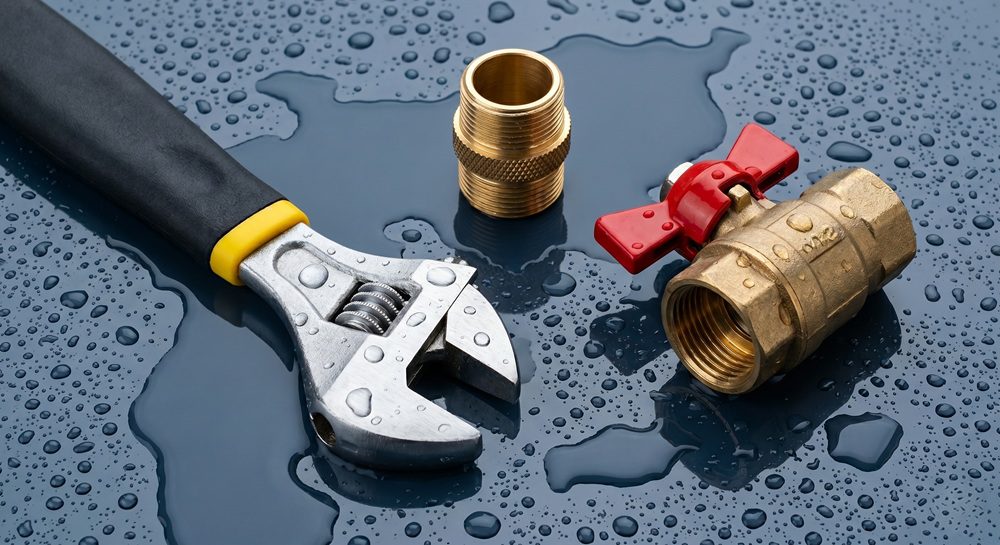
Water pooling where it shouldn’t, or refusing to flow where it should, is one of the most stressful experiences for any property owner. The immediate instinct is usually to panic, grab a wrench, and start taking things apart.
But true plumbing troubleshooting isn’t about brute force, it’s about logic, isolation, and knowing exactly what you are looking at before you make a move. Before you dismantle your pipes or pour harsh chemicals down your drain, here is a professional’s guide to diagnosing common plumbing issues.
1. Isolate the Issue: Local vs. Systemic
The very first step in any troubleshooting scenario is determining the scale of the problem.
- Local Issues: If only the kitchen sink has low pressure, or only the guest bathroom toilet is running, the problem is isolated to that specific fixture or its immediate supply lines.
- Systemic Issues: If every faucet in the building has low pressure, or multiple drains are backing up simultaneously, you are dealing with a systemic issue at the main supply line or the main sewer line.
Pro-Tip: Never start tearing apart a local fixture if the real problem is sitting out at the municipal water meter.
2. Diagnosing Low Water Pressure
Low water pressure can make showering miserable and washing dishes impossible. Here is how to track down the culprit:
- Check the Aerator: This is the small screen at the tip of your faucet. Over time, it gets clogged with calcium deposits and sediment. Unscrew it, rinse it out, and see if the pressure returns.
- Check the Valves: Ensure the shut-off valves under the sink (or the main house valve) are turned completely open. A valve that is only partially open will severely restrict flow.
- The Hidden Leak: If the valves are open and the aerators are clean, a sudden drop in pressure across the house could indicate a hidden leak or a failing pressure-reducing valve (PRV).
3. The Stubborn Drain: It’s Not Always a Clog
When a sink won’t drain, most people reach for a plunger or a bottle of liquid drain cleaner. But if the water remains stubbornly stagnant, the issue might not be a physical blockage.
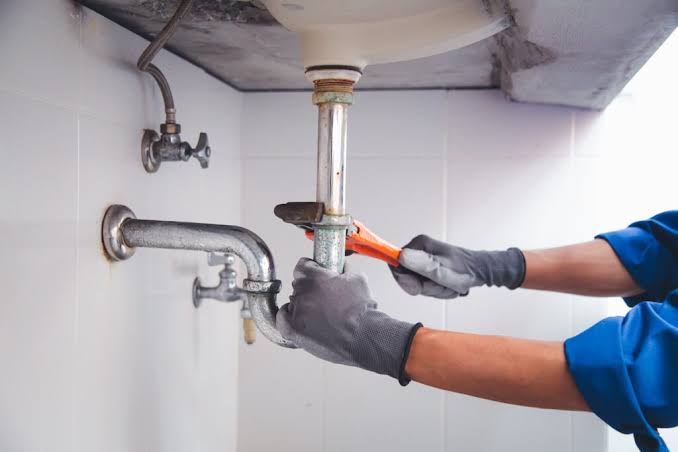
- The P-Trap: The curved pipe under your sink (the P-trap) is designed to hold water to block sewer gases. It’s also the most common place for debris to gather. Placing a bucket underneath and carefully unscrewing the trap is often the fastest way to clear a localized blockage.
- Venting Issues: Plumbing systems need air to breathe. If your vent stacks (the pipes that exit through your roof) are blocked by leaves or bird nests, a vacuum forms in the pipes, stopping water from draining smoothly. If your drains are gurgling when you run the water, you likely have a venting issue, not a clog.
Knowing When to Step Back
Troubleshooting is an excellent way to understand your plumbing system and handle minor inconveniences. But there is a hard line between a DIY fix and a plumbing disaster.
If you are dealing with systemic backups, zero water pressure across the property, or any issue involving your main sewer line, DIY troubleshooting usually makes the problem significantly worse—and far more expensive.
When the logic stops adding up, it’s time to call in the professionals. For property owners here in Lagos and throughout Nigeria, Olaas Plumbing Enterprises brings the diagnostic tools, the expertise, and the rapid response needed to solve complex plumbing mysteries. We don’t just guess; we pinpoint the exact root of the problem and fix it right the first time.
