

When you manage a large-scale facility, whether it is a multi-story office building, a bustling secondary school, or a manufacturing plant, plumbing is no longer just about fixing a leaky faucet. It is about managing a complex, high-pressure, high-volume ecosystem.
In a residential home, a plumbing failure is an inconvenience. In a commercial facility, a plumbing failure shuts down operations, creates severe health code violations, and drains revenue by the hour. Here is why proactive facility plumbing management is the most critical component of your building’s operational strategy.
1. Predictability Over Panic
The defining difference between amateur plumbing repair and professional facility management is the shift from reactive to proactive maintenance.
If you are only calling a plumber when a pipe bursts or a main sewer line backs up, you are already too late. Facility management involves routine, scheduled auditing of your entire infrastructure.
- Boiler and Heater Audits: Ensuring commercial water heaters and boilers are descaled and operating at peak efficiency before the heavy usage seasons begin.
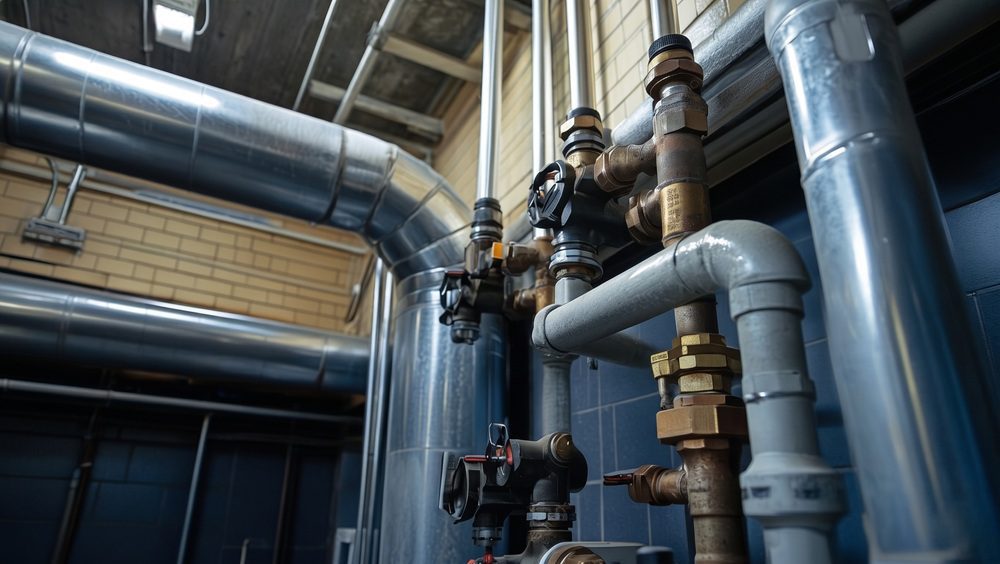
- Valve Exercising: In a massive complex, knowing exactly where the water shut-off valves are and ensuring they haven’t rusted open or shut—is the difference between a small puddle and a flooded server room.
- Drainage Jetting: Regularly hydro-jetting high-traffic commercial drains (especially in cafeteria or restaurant settings) prevents the grease and scale blockages that lead to total system shutdowns.
2. Managing Scale and Pressure Zones
A massive building requires massive water pressure to push the supply up to the top floors. But that same pressure will blow out the fixtures on the ground floor if left unregulated.
Facility plumbing management requires a deep understanding of pressure-reducing valves (PRVs) and multi-story zoning. If one zone experiences a pressure drop, it often points to a failing booster pump or a hidden systemic leak. A dedicated management team monitors these zones continuously, ensuring that every floor receives a perfectly balanced flow without straining the overall system.
3. Health Codes and Backflow Prevention
Commercial facilities carry a heavy burden of compliance. Cross-contamination between wastewater and clean drinking water is a severe health hazard, particularly in schools, hospitals, or food processing areas.
- Backflow Preventer Testing: Backflow preventers are mechanical devices that stop contaminated water from siphoning backward into the clean municipal supply. Most municipalities require these devices to be tested and certified annually by a licensed professional.
- Compliance Tracking: A dedicated plumbing management team doesn’t just fix the hardware; they track your compliance schedules, ensuring your facility never faces fines or enforced shutdowns due to outdated or failing safety equipment.
Partnering for Operational Continuity
Managing the infrastructure of a large building is a full-time job, and you cannot afford to rely on temporary fixes. Your facility needs a permanent, reliable plumbing partner who understands the exact layout, history, and load capacity of your specific building.
For property managers, school administrators, and commercial developers here in Lagos and across Nigeria, Olaas Plumbing Enterprises provides comprehensive facility plumbing management. We act as an extension of your operational team, executing the preventative maintenance and rapid-response protocols required to keep your doors open and your business flowing seamlessly.
